

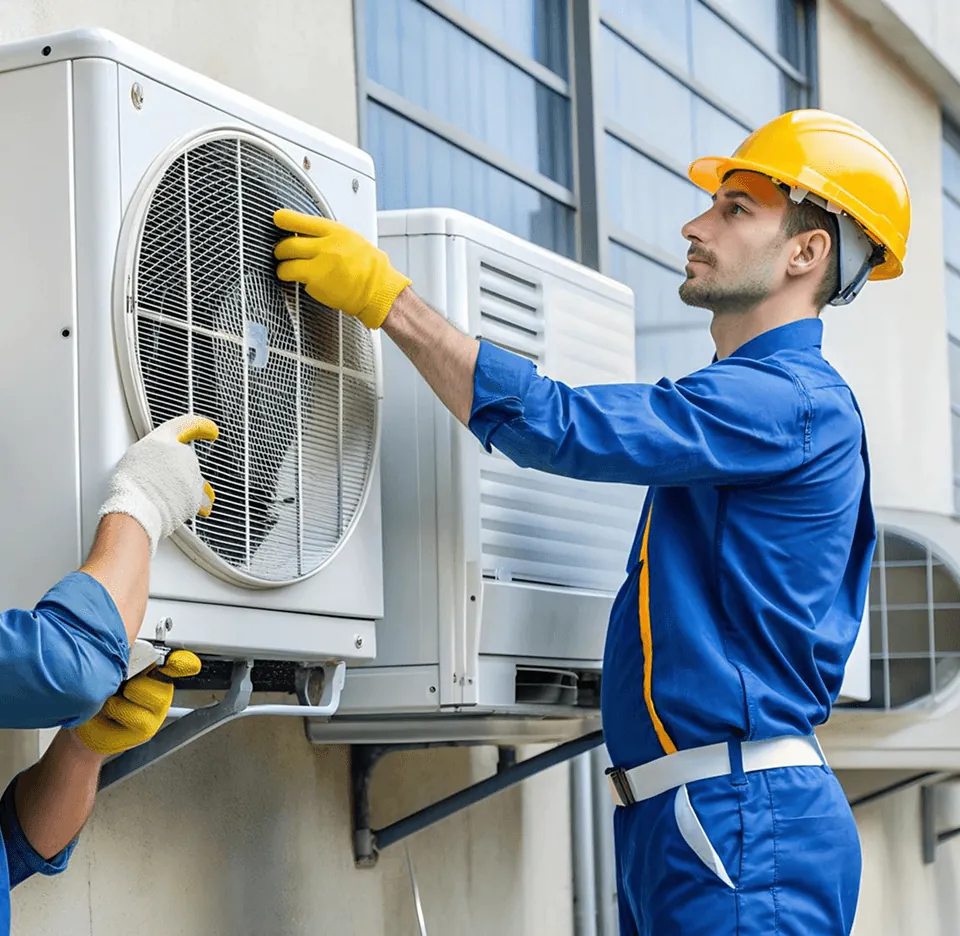
A new aircon system is one of the bigger purchases for any Singapore home, and you will live with the decision for the next 10 years or more. This guide explains the key choices in plain language so you can compare quotes with confidence.
What do “System 1, 2, 3 and 4” mean?
In Singapore, aircon packages are usually described by how many indoor fan coil units share one outdoor condenser:
- System 1 – one indoor unit, one outdoor unit. Common for a single room or as a replacement for one unit.
- System 2 – two indoor units on one outdoor unit. Popular for 2-room and 3-room flats.
- System 3 – three indoor units. The most common choice for 4-room HDB flats and 2–3 bedroom condos.
- System 4 – four indoor units. Typical for 5-room flats, executive flats and larger condos.
Multi-split systems save space on your AC ledge, but if the single condenser fails, all connected rooms lose cooling. Landed homes often combine several systems for flexibility.
How many BTU does each room need?
BTU (British Thermal Unit) measures cooling capacity. As a general guide for Singapore homes:
| Room | Typical size | Recommended capacity |
|---|---|---|
| Common bedroom | Up to 12 m² | 9,000 BTU |
| Master bedroom | 12 – 18 m² | 9,000 – 12,000 BTU |
| Living / dining (HDB) | 25 – 35 m² | 18,000 – 24,000 BTU |
| Open-concept living (condo / landed) | 35 m² and above | 24,000 BTU or more |
Rooms with west-facing windows, high ceilings, open kitchens or many occupants may need more. An undersized unit runs non-stop without cooling properly; an oversized one cycles on and off and leaves the room clammy. A proper site survey avoids both.
Inverter vs non-inverter
Almost every system sold in Singapore today is inverter. Instead of switching on and off, an inverter compressor speeds up and slows down to hold the temperature steady. The result is more stable comfort, less noise and significantly lower power consumption for units that run many hours a day — which is most aircons in Singapore.
Why energy ticks matter
All aircons sold in Singapore carry an energy label from the National Environment Agency (NEA), rated from 1 to 5 ticks. More ticks means higher efficiency. A 5-tick system usually costs more upfront, but because aircon is the biggest electricity user in most Singapore homes, the savings over 10 years often outweigh the price difference. It is also worth checking for any current government vouchers or rebates for energy-efficient appliances before you buy.
Choosing a brand
Daikin, Mitsubishi Electric, Panasonic and Mitsubishi Heavy Industries are long-standing favourites for reliability. Midea, LG and Samsung offer good value. More important than the logo is choosing the right capacity, a good efficiency rating and — above all — a quality installation.
Installation quality is half the result
Poor installation causes many of the problems we are called to fix: leaks from incorrect drainage gradient, refrigerant leaks from badly flared joints and noisy units from loose mounting. When comparing quotes, ask:
- Is a site survey included?
- Is new copper piping, insulation and trunking included — and what length?
- Is dismantling and disposal of the old system included?
- Will the system be vacuumed and pressure-tested before commissioning?
- How long is the installation workmanship warranty?
Typical prices in Singapore
Prices vary by brand, model and piping length, but as a guide our inverter packages start from about $1,880 for System 2, $2,580 for System 3 and $3,280 for System 4, including standard installation. See our price list or our installation service for details.
Planning a new aircon? Book a free site survey. We will measure each room, recommend the right capacity and give you an itemised quote with no obligation.